Vaccinations for Pets Prairieville Animal Hospital: Common Vaccines Explained
@franciscoznke004
The practice of vaccinating pets sits at the intersection of science, daily pet management, and the long view we take for each patient. At Prairieville Animal Hospital, we approach vaccines as a living tool in a broader plan for your animal’s health. The rhythm of vaccination is not a single moment but a sequence that builds protection while keeping an eye on the whole animal, including their environment, lifestyle, and any existing medical concerns. Here is a grounded, experience-based tour through the vaccines most often given to dogs and cats, why they matter, and how we tailor schedules in real life.

From the moment a new puppy or kitten comes through the door, the goal is clear: protect against diseases that can be devastating, while avoiding unnecessary procedures that carry risk for that individual animal. Vaccines are a collaboration between client, patient, and clinician. We rely on evidence, but we also rely on your observations at home, the pets’ behavior, and our clinic’s day-to-day experiences with local disease patterns. The result is a practical plan that fits your pet’s life and your family’s routines.
Core vaccines versus non core vaccines, how often boosters are given, and what each vaccine is trying to prevent are all pieces of a larger conversation. It helps to start with the basics and then move into the nuance. Below you’ll find a straightforward walk through the vaccines most commonly administered at Prairieville Animal Hospital, with context that comes from years of small animal practice in a busy community. This is not a sales pitch; it’s a candid guide to what to expect, why it matters, and how we decide on the right timing for your companion.
Core vaccines and individual risk Most clinics categorize vaccines as core or non core. Core vaccines protect against diseases that are widespread, pose a clear risk to almost all dogs or cats, and are highly contagious with substantial potential for severe illness. Non core vaccines protect against diseases that depend more on exposure risk, geography, or the animal’s lifestyle. At Prairieville Animal Hospital we approach the core versus non core distinction with nuance rather than a fixed checklist. A healthy adult dog or cat living indoors with limited exposure might still benefit from some vaccines that others receive routinely, especially if there is seasonal risk or travel plans. Conversely, a pet with certain medical conditions might require a modified schedule or even a pause in vaccination. The conversation always starts with a wellness exam, because a strong vaccination plan rests on a clear understanding of the animal’s current health status.
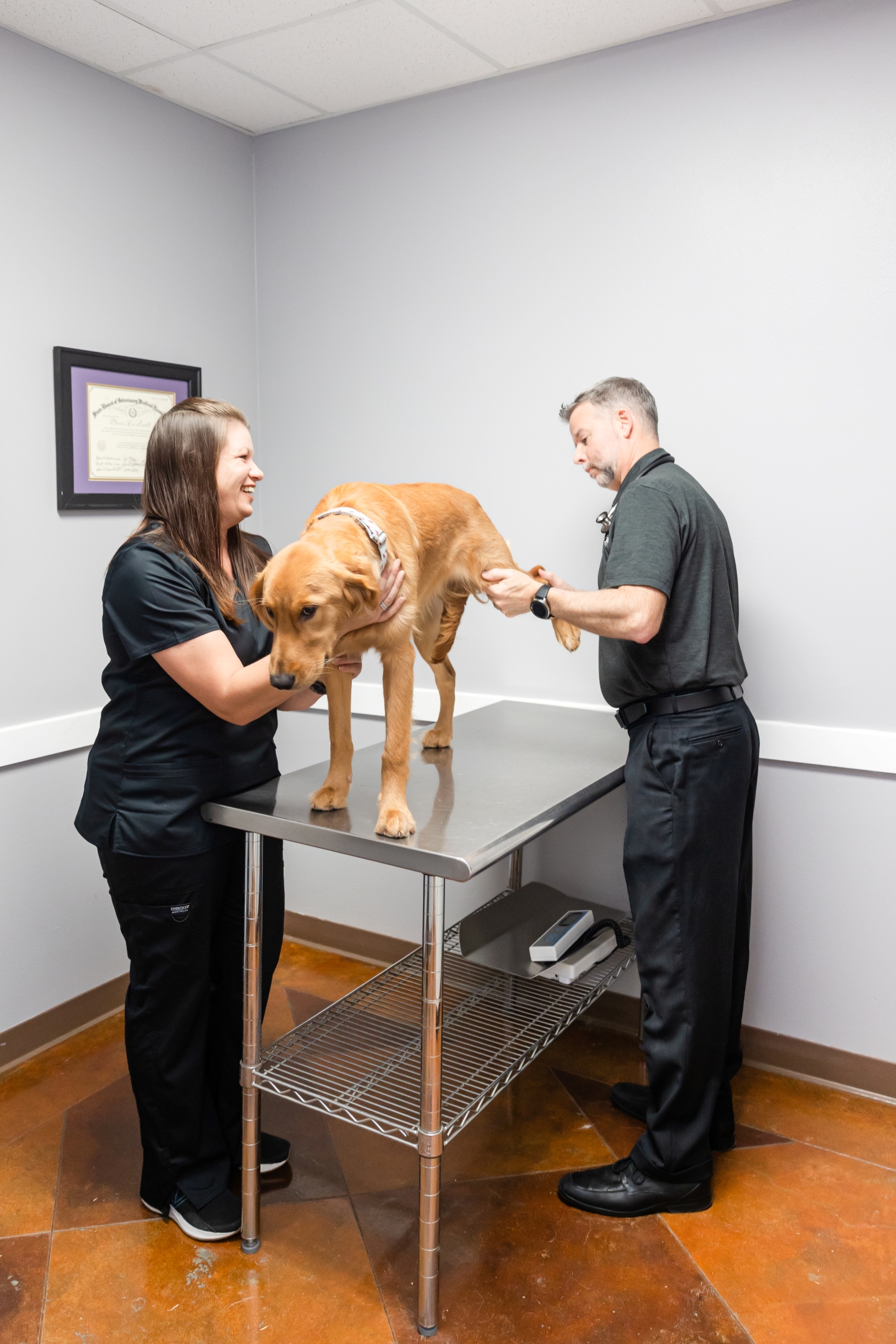
What to expect at a wellness exam before vaccination We often schedule vaccines in the context of a broader wellness visit. That visit typically includes a physical exam, a review of the animal’s history, discussion of environment and daily routine, and, if indicated, a basic blood panel or other screening. We look for signs that might influence the vaccine plan, such as fever, dehydration, or signs of dental disease. In practice we want to know if the animal recently had a reaction to a vaccine, if there is a history of immune mediated disease, or if there are chronic conditions like kidney disease in cats or heart disease in dogs. This information helps us pick the right vaccine formulation and the correct interval between doses.
Dogs: find out more common core vaccines explained Rabies vaccine Rabies vaccination is a public health cornerstone as well as a protective measure for the individual animal. In many places, it is legally required, and the veterinary rationale is straightforward. The vaccine provides long lasting protection against a virus that is almost always fatal once symptoms begin. In the United States, the vaccination schedule typically starts when a puppy is 12 weeks or older, with a booster one year after the initial dose and then every one to three years depending on the product and local rules. Some clinics use combinations that include other allergens in a single shot to reduce the number of visits. We always tailor the exact interval to the product used and the pet’s risk assessment. After vaccination, most dogs tolerate the shot well, with mild soreness at the injection site or brief restlessness being common. Severe reactions are rare, but we watch for signs such as facial swelling or hives and provide guidance on when to seek urgent care.
Distemper combination vaccines The distemper conjugate combines several diseases into a single shot, typically including canine parvovirus and hepatitis as well as parainfluenza. This is commonly delivered as a combination vaccine that protects against multiple threats at once. Puppies receive a series of boosters every three to four weeks starting at around eight weeks of age, continuing until they reach about 16 weeks. After that, a booster is given one year later, and then updates vary by product for adult dogs. In practice, owners notice that puppies can feel a touch under the weather for a day or two after vaccination, with mild lethargy or soreness. Most pets bounce back quickly, but it helps to schedule vaccines on a day when you can monitor them and keep them comfortable with a soft bed and praise.
Parvovirus protection Parvovirus is highly contagious and can cause severe vomiting, diarrhea, dehydration, and in some cases death, especially in puppies. It is one of those diseases that makes a vaccine feel essential in the moment. The parvovirus component is included in the core combo vaccines, and the protection it offers is a cornerstone of puppy health plans. We see breakthrough infections rarely if the series is completed on schedule, but even adult dogs can be vulnerable if their vaccine history is incomplete or if their immune system is compromised. The practical takeaway is that the puppy schedule matters. A missed booster can leave a dog more susceptible to exposure during boarding, park days, or visits with other dogs.
Kennel cough vaccines and canine influenza Non core vaccines for dogs frequently address respiratory illnesses. Bordetella bronchiseptica is a common cause of kennel cough, particularly in dogs with exposure to boarding facilities or large groups. Many clinics offer intranasal or injectable Bordetella vaccines. Canine influenza vaccines have become more common in response to outbreaks or seasonal risk. If your dog attends daycare, goes to a groomer, or enjoys group hikes, we might discuss these vaccines as part of a tailored plan. The goal is not to force vaccines on every dog but to lower risk in contexts where exposure is likely. When we administer these vaccines, we usually do so in a way that minimizes discomfort and aims to maximize the protective window during times of higher risk.
Leptospirosis and other bacterins Leptospirosis is a bacterial disease that can affect the kidneys and liver in dogs and is sometimes transmitted through contaminated water. The bacterin vaccines for leptospirosis are typically offered as a two or three strain formulation depending on the product used. The decision to vaccinate for leptospirosis rests on exposure risk, such as living near rural areas or frequent contact with wildlife. The protection is good but not absolute; as with any vaccine, a complete strategy includes reducing exposure risk and maintaining regular wellness checks. If a dog has kidney or liver disease, we consider the balance of potential vaccine benefits with the risk profile of any adjuvant ingredients.
Cats: common core vaccines explained FVRCP and feline distemper In cats, the FVRCP vaccine is a core combination that protects against three major threats: rhinotracheitis, calicivirus, and panleukopenia. This trio covers respiratory infections as well as a highly contagious intestinal disease. Kittens begin the series around six to eight weeks of age, with boosters every three to four weeks until about 16 weeks, followed by a yearly or triennial booster depending on the product and risk factors. Many cat owners notice a mild, brief lapse in energy after vaccination, but most cats return to their usual activity within a day or two.
Rabies vaccine for cats Cats also receive rabies vaccine, aligning with public health requirements and the same logic that applies to dogs. The initial dose is typically given at around four months of age, with a booster a year later and then interval boosters that reflect product labeling and local regulatory guidelines. Cats tend to tolerate rabies vaccines well, though a minority may experience mild tenderness at the injection site or temporary lethargy.
Feline leukemia virus (FeLV) vaccine FeLV vaccination is not universally labeled core for all cats, but it becomes essential for kittens and cats with outdoor access or those that live with other cats known to be infected. The vaccine is a series of two to three injections in most brands, followed by annual boosters for cats with ongoing exposure risk. Whether FeLV vaccination is recommended often depends on the animal’s environment and the health status of household cats. When we discuss this vaccine, we weigh the likelihood of exposure against the vaccine’s benefits and any potential risks.
Non core vaccines for cats and dogs Non core vaccines fill in the gaps based on exposure risk. For dogs this often includes vaccines for leptospirosis, bordetella, and sometimes canine influenza depending on the local pattern of disease and your dog’s lifestyle. For cats, non core vaccines can address disease threats such as Chlamydophila felis in some circumstances, though the science and local risk vary. The practical approach is to evaluate how the pet spends its time, including days spent at boarding facilities, exposure to other animals, and the likelihood of contact with wildlife or stray animals. We discuss each non core vaccine in the context of your pet’s day-to-day life and the certainty of exposure.
The nuts and bolts of scheduling Vaccination is a process rather than a one off event. The typical starting point for puppies and kittens is a series of doses designed to establish immunity, followed by boosters at intervals. After the initial series, many pets receive boosters on a yearly basis, while some vaccines extend the interval to every three years. The exact schedule varies by product, animal species, and the animal’s medical history. We can adjust intervals for senior pets or those with chronic illnesses, reflecting a careful assessment of risk versus benefit.
In practice this means we do not force a uniform schedule on every patient. Instead we ask pointed questions about your pet’s life: Are there frequent visits to dog parks, or to the shelter, or to homes with multiple animals? Does your cat roam outdoors or explore areas with wildlife? Are there seasonal patterns to disease exposure in your area? The answers guide a practical plan that balances protection with the realities of your pet’s health and your household.
Two practical lists to illuminate the core decisions
- Vaccination planning realities
- Start early with puppies and kittens to establish baseline protection.
- Use a core schedule as a scaffold, then adapt for non core needs based on exposure.
- Track boosters diligently and avoid gaps that leave immunity waning.
- Monitor for mild post vaccination effects and distinguish them from illness.
- Reassess annually in the wellness exam context to reflect any changes in lifestyle.
- What to expect during and after visits
- A brief check of appetite, energy level, and hydration.
- A physical exam focusing on heart, lungs, teeth, and joints.
- Injection technique designed to minimize discomfort.
- Guidance on post vaccination care and what signals would necessitate a call or visit.
- A tailored plan documented for your records, with a schedule you can rely on.
Potential adverse events and how we handle them Vaccines, like any medical intervention, carry a small risk of adverse events. Most reactions are mild and short lived, such as slight swelling at the injection site, temporary lethargy, or a small amount of fever. In some cases a pet may develop more pronounced symptoms like vomiting, diarrhea, or itchiness around the face or neck. These events typically occur within 24 to 48 hours after vaccination and are managed with supportive care and, if necessary, anti inflammatory medications. Severe reactions are rare but possible. Our team maintains a protocol for rapid assessment and treatment should a reaction occur, and we emphasize observation after vaccines, especially for first time vaccinations or new vaccine formulations.

Edge cases worth considering Some animals require special handling when vaccines are administered. For example, cats with a history of stress related behavior may benefit from a reduced stress approach that includes calm handling, a calm room, and a quiet post vaccination environment. In dogs with known vaccine sensitivities, the use of longer lasting formulations or fractionated dosing may be appropriate. We also consider the timing of vaccines in animals with underlying health issues, such as immune mediated diseases or chronic organ problems. In these cases the risk of disease versus potential vaccine side effects is weighed carefully, and the plan may be adjusted accordingly.
Keeping the home environment in mind A vaccine is not a stand alone shield. It works best when combined with a broader health strategy. For dogs, that includes parasite prevention, a balanced diet, daily exercise, dental care, and regular wellness checks. For cats, it includes a litter box routine, scratching post enrichment, and indoor outdoor considerations. Vaccination sits within this broader picture of health, not as an isolated act. The aim is to reduce risk and preserve quality of life, recognizing that no single intervention is perfect.
Practical realities of travel and boarding If your pet travels or spends time in boarding facilities, vaccination becomes even more consequential. Many facilities require up to date vaccination records to ensure the safety of all animals in their care. When you plan trips, let us know in advance so we can confirm the appropriate boosters and ensure records are in hand. We have seen pets thrive when vaccines are kept current, and boarding experiences go smoothly when records are on file and up to date. The responsible choice is to align travel plans with a vaccination schedule that keeps pace with risk.
A note on record keeping and communication Keeping good records reflects the patient’s health history as a living document. Our team ensures that vaccines, booster dates, and any adverse events are documented and easily accessible. If you switch vets or clinics, bring a copy of your pet’s vaccination history. A clear record helps us avoid unnecessary repeat vaccines while ensuring protection is continuous.
Real world expectations: numbers, timing, and outcomes Exact vaccine intervals vary by product and patient factors. In general, a puppy’s first vaccines start around eight to twelve weeks, with boosters every three to four weeks until at least 16 weeks of age. A kitten’s initial series typically spans from six to eight weeks through around 16 weeks, followed by boosters per product guidance. For adult dogs and cats, many vaccines require boosters at yearly intervals, though some can be given every three years. It is crucial to recognize that these intervals reflect typical patterns and are not a one size fits all solution. Our approach in Prairieville Animal Hospital is to confirm the product specifics, check the disease ecology of our community, and tailor a plan that aligns with your pet’s health status and lifestyle.
A practical example from the field A four year old Labrador retriever named Riley presented for a routine wellness visit. He had a standard puppy vaccine history completed years ago but had not received a tetanus or leptospirosis booster in over two years. Riley’s family reported little exposure to wildlife and no outdoor roaming past mid afternoon. Based on his age, activity level, and risk assessment in our community, we recommended an updated core vaccine schedule with a leptospirosis booster given in a two dose series, followed by a standard yearly rabies and a triannual combination update. The owners accepted the plan, and within a week Riley showed no adverse effects beyond a day of mild tenderness at the injection site. A follow up call confirmed he remained bright, with appetite and energy typical for a dog his age. This is the kind of practical outcome we aim for: protection that translates into daily life without complicating routines or causing avoidable discomfort.
A final reflection on the patient and the family Vaccination is a partnership. We are not simply delivering shots; we are collaborating with you to keep your pets healthy over the long term. The vaccines we choose, the timing we recommend, and the monitoring we perform are all anchored in the real world we share with your animals. At Prairieville Animal Hospital, we measure success not by the number of vaccines administered but by the ease with which your pet enjoys daily life, the absence of preventable disease, and the confidence you gain in your own care decisions.
If you would like to discuss a vaccine plan tailored to your pet, we can start with a wellness exam to establish a baseline and then map a schedule that fits your household. The goal is straightforward: steady protection without unnecessary risk, and a plan you can rely on through the years as your pet grows, ages, and experiences different stages of life. The vaccines discussed here represent the backbone of preventive care, but they sit within a broader framework of dental health, parasite control, nutrition, and behavior guidance. Together, these elements form a practical, humane approach to pet health—one that respects the animal you love and the life you want to share.