Prairieville Animal Hospital: The Value of Regular Vet Visits
@franciscoznke004
Regular veterinary care is a steady drumbeat in the life of a pet owner. I learned that early, long before I started diagnosing and soothing anxious animals in a bustling clinic. In Prairieville, where families juggle school schedules, work shifts, and weekend sports, the routine vet visit can feel like one more obligation to fit into a crowded calendar. Yet the truth is simpler and more consequential: health outcomes for dogs, cats, and even small mammals improve when preventive care becomes a habit rather than an afterthought. At Prairieville Animal Hospital, we see it every day. Regular checkups are not a luxury; they are a practical, actionable path to longer, happier companionship with the animals we call family.
When I first walked into a veterinary hospital as a student, I was struck by the way a routine wellness visit can reveal what a pet’s life looks like beyond the moment of fear or relief during a crisis. A healthy animal is not a flawless specimen but a living system with nuances—weight drift over seasons, the tremor of a lingering allergy, the subtle shift in appetite that hints at something brewing. That awareness translates into a approach that emphasizes observation, measurement, and timely intervention. In Prairieville, we build on that frame by combining the precision of modern diagnostics with the warmth of a neighborhood practice. Our clients frequently tell us that the most valuable outcome of a regular visit is not the immediate treatment but the sense of knowing what is normal for their pet and what needs attention when something changes.
The value of consistent care shows up across different life stages. The puppy and kitten years demand a different rhythm than midlife stability or senior years when chronic conditions become more common and more intricate. A regular schedule helps anticipate those shifts rather than reacting to a problem once it has intensified. Owners in Prairieville learn to expect a blend of practical checks and candid conversations about lifestyle. We talk about exercise routines adapted to age, dietary adjustments tied to activity level, and preventive measures that suit the climate and local environment. The goal is to partner with families so their pets move through life with fewer surprises and more reliable comfort.
What makes a routine visit meaningful is the way it frames health as a dynamic, ongoing project rather than a single appointment. A wellness visit at Prairieville Animal Hospital is not a simple tick box session. It is a focused, collaborative examination that balances science with the day-to-day realities of pet care. We walk through the door with a plan—one that prioritizes early detection, reflects the pet’s history, and respects the owner’s goals for quality of life. The vet team arrives ready with questions about appetite, energy, coat condition, and digestion, and the client arrives with the context of home life, recent changes, and concerns that may not fit neatly into a single symptom. That exchange creates a practical roadmap, a map we use to steer the next steps together.
Why regular visits matter goes beyond the obvious benefits of vaccinations and parasite control. Preventive care encompasses screening for conditions that quietly erode well-being if left unchecked. At Prairieville Animal Hospital, we approach wellness as a continuum. The first responsibility is to establish a baseline. Baselines are not abstract numbers; they become a reference for your pet’s unique physiology. A dog that maintains a steady weight year after year has a different narrative from a dog whose weight quietly climbs month by month. A cat might tolerate a whispered reduction in activity when the floor plan and neighborhood sounds change, and that subtle signal deserves a closer look before it becomes a more serious issue. When we track patterns over time, we gain the power to intervene early, to adjust a medication, tweak a diet, or schedule a follow-up sooner rather than later.
The practical side of regular visits is equally clear. Routine exams give us the chance to catch dental disease early, which is one of the most prevalent health issues facing companion animals. Dental health correlates with heart, liver, and kidney function in ways that are not always obvious to owners. A clean mouth and a routine cleaning can translate into better energy, more consistent appetite, and fewer anesthesia-related risks if future dental work is needed. We also use wellness visits to monitor heart and lung function, assess hydration and organ status, and discuss vaccination schedules tailored to lifestyle and risk factors. For many pets in Prairieville, a quarterly or biannual rhythm balances the demands of life with the imperative of health surveillance.
A common hurdle for families is the assumption that if a pet appears fine, nothing needs to be done. This is a trap. The absence of symptoms does not guarantee the absence of disease, especially in animals that cannot verbalize discomfort. The eyes, ears, and skin often reveal subtle signals long before a dog or cat will vocalize distress. A dry coat, a shift in litter box habits, a change in sleeping patterns, or a reluctance to jump onto a favorite sofa can all be early indicators. The clinician’s job is to listen, interpret, and translate those signs into actionable steps. For pet owners, that means learning to recognize the language of wellness and viewing regular visits as a form of daily care rather than a periodic chore.
The practice at Prairieville Animal Hospital is built around accessibility and trust. We understand the schedule tightens on busy weekdays, and emergencies can occur without warning. Our nursing staff aim to provide find out more flexible appointment times and same-day slots when necessary. The goal is not to create friction but to foster a reliable habit. For many families, the routine becomes a predictable anchor—an appointment they look forward to because it is a chance to reset health markers, review behavior, and receive practical guidance for home care. The relationship between the pet, the owner, and the veterinary team grows stronger when communication is ongoing and personal. We learn a pet’s quirks, preferences, and tolerances in the examination room, and those insights travel back to the exam room in future visits. This continuity matters, especially for anxious animals or those with complex medical histories.
One recurring theme clients bring into the clinic is the fear of overtesting or of vaccines that might cause unnecessary stress. The answer lies in nuance. We tailor each wellness plan to the animal’s age, breed, lifestyle, and risk profile. A healthy adult cat might require less frequent vaccinations and routine blood work than a senior dog with known joint disease or a puppy in the process of weaning off deworming medication. The plan adapts as the animal grows. We aim to minimize discomfort and disruption while maximizing the probability of early detection. This is not about fearmongering or relentless testing; it’s about precision, context, and accountability to the pets and families we serve.
As a practitioner who has stood in many exam rooms, I have learned that the best preventive care comes from a clear, honest, and often simple conversation. We explain what tests are recommended, why they matter, and what the results might mean for action. We also discuss practical barriers, such as pet temperament or the cost of care, and we work with families to identify feasible pathways. At Prairieville Animal Hospital, that dialogue is ongoing. It begins with a reminder that wellness is not a one-off event but a recurring commitment that aligns with life transitions, seasonal changes, and the evolving needs of each animal.
The experience of a routine visit often reveals its best value through small, tangible improvements. A cat who stops hiding behind the couch after a dental cleaning, a dog who returns to a longer, more confident walk after a targeted weight management plan, or a senior pet whose mobility stabilizes after a new joint-support strategy. These moments reinforce the philosophy that preventive care is about quality of life as much as it is about longevity. In Prairieville, we celebrate them with the same care we bring to more acute cases, because the goal remains steady: a pet who can greet the day with curiosity, who can jump into the car for a ride without hesitation, and who can sleep comfortably through the night.
What a routine wellness visit looks like in practice is grounded in routine but never repetitive. The process starts with a warm greeting, a review of any changes since the last appointment, and a careful physical exam. We listen for subtle cues in the animal’s posture, breathing, and even the way they hold their head when a question is asked. Blood pressure, body condition scoring, hydration status, and oral health are standard components. We discuss nutrition in a practical frame that respects the pet’s age, activity level, and any existing medical conditions. If laboratory work is indicated, it is chosen to answer a precise question rather than to fill a checklist. The results guide a collaborative plan that may involve dietary changes, a vaccination update, a parasite prevention strategy, or a recommended follow-up visit. The final step is not a casual farewell but a clear plan for home care and a calendar for the next touchpoint.
The long view matters too. Regular visits contribute to better management of chronic conditions, which is a substantial portion of the patient load in many clinics. A dog with early kidney changes, for instance, benefits from more frequent monitoring than a perfectly healthy companion. A cat with stable diabetes may require adjustments in insulin dosing and a cadence of blood glucose tests that a casual approach would not provide. In Prairieville, we work with owners to set expectations, discuss the trade-offs, and enact a monitoring schedule that fits life while preserving health. The reality is that early intervention saves not just stress and pain, but also dollars, by preventing costly emergencies and complicated procedures down the road.
Scheduling cadence often follows a practical logic: younger pets tend to benefit from more frequent wellness checks as they grow, while older pets require closer surveillance for age-related conditions. But the specifics are always individualized. We factor in breed-specific risks, prior medical history, and the family’s capacity to observe and report changes accurately. The result is a plan that does not feel rigid or prescriptive but rather tailored, transparent, and doable. In a town like Prairieville, where the pace of life is brisk and the weekends are precious, that tailored approach is particularly valuable. It means owners do not have to guess when it is time to come back or whether a particular symptom warrants attention. The answer is embedded in the plan itself, revisited at each visit, and adapted as life evolves.
Two practical truths emerge from years of working with families in Prairieville. First, pet health is a shared responsibility. The vet is not the only agent; the owner, the sitter, and the school or work schedule all become part of the health ecosystem. Second, regular care is a commitment with compounding benefits. Each appointment builds a more complete picture of the animal’s health, which in turn supports better decisions, smoother daily routines, and fewer urgent crises. Those are not abstract outcomes. They show up in the routine of everyday life—fewer episodes of discomfort, more consistent energy, and the quiet confidence that comes with knowing a pet is being watched over with care.
To sustain this kind of care, Prairieville Animal Hospital places emphasis on accessibility and education. We strive to keep appointment times predictable and to minimize the stress of the visit for shy or anxious animals. We invest in communication tools that help owners understand what is happening during the visit and what to watch for between visits. We encourage owners to bring questions, even those that seem minor. It is often the small, seemingly inconsequential observations that unlock the most meaningful conversations about a pet’s health.
Two lists are included here to summarize practical aspects of maintaining regular visits. They are not designed to replace the depth of a consult but to serve as quick references for busy owners who want to keep the conversation productive and focused.
What to expect during a routine wellness visit
- A thorough physical exam covering all body systems, with attention to heart and lungs, dental health, and mobility.
- Discussion of energy levels, appetite, sleep patterns, and changes in behavior that might signal a deeper issue.
- Review of vaccination status and parasite prevention, with adjustments based on lifestyle and local risk factors.
- Basic diagnostic tests as indicated by age and risk, such as bloodwork or urine analysis, aimed at early detection.
- A concrete action plan for home care, including dietary guidance, exercise recommendations, and a schedule for the next visit.
Preparing for your pet’s visit can reduce stress and improve the quality of the encounter. The second list highlights practical steps families can take.
Preparing for your pet’s visit

- Bring a current list of medications, supplements, and any recent behavioral or appetite changes.
- Note any questions or concerns you want addressed so nothing is left unsaid.
- Bring previous medical records if you are visiting Prairieville Animal Hospital from another practice.
- Arrive with a calm, reassuring presence to help a nervous animal feel safer in the exam room.
- Dress for the weather and the season, because discomfort from heat or cold can color a pet’s behavior during the visit.
The value of regular visits extends into the community context as well. When a population of pets receives consistent preventive care, the clinic gains a more accurate understanding of local health trends. We learn which parasites are most prevalent in the Prairieville area and which seasonal factors are most likely to affect our patients. This knowledge informs not only what we recommend but how we deliver it. For instance, a year with persistent tick activity might prompt us to adjust the timing of tick prevention products or to discuss environmental modifications with the owner. A season with unusual allergen exposure can lead to targeted strategies for skin health and respiratory comfort. In a practical sense, regular visits become a feedback loop between the patient, the owner, and the clinic that strengthens the entire veterinary ecosystem in Prairieville.
There is a broader lesson in all this about the responsibility of care. Regular visits signal to pets that the world is a place where their needs are noticed and attended to. For owners, consistent care builds confidence—an assurance that the decision to bring a pet into the home was a wise one and that the investment in health is indeed paying off in daily life, not just in moments of crisis. In practice, this translates to fewer ad hoc trips to the emergency room, less time spent worrying about the fate of a beloved animal, and more time enjoying days that feel substantial rather than interrupted by illness or discomfort. The veterinarian’s job becomes, in part, to shoulder some of that burden, to make the path clearer, and to help families see the long arc of health with clarity rather than fear.
The realities of running a busy veterinary practice in Prairieville mean that the role of regular visits is as much about prevention as it is about response. We celebrate the moments when a plan holds steady, when a dog’s weight stabilizes, when a cat’s dental health improves, or when a senior pet maintains mobility in the face of arthritis. These outcomes are measurable and meaningful, and they reinforce the logic behind a routine that might feel tedious on a crowded calendar but proves itself again and again in the animals we serve.
If you are weighing the decision of how to structure wellness care for your pet, consider the following practical guidelines informed by years of experience at Prairieville Animal Hospital. First, start with a baseline and set a reasonable cadence based on age and risk. A puppy or kitten benefits from more frequent visits initially, as does a senior animal whose body requires closer monitoring. Second, align the plan with your family’s life. A schedule that you can reasonably maintain will produce better compliance, and better compliance equates to better outcomes. Third, treat the visit as a partnership. The veterinarian, the owner, and the pet form a triad, each element critical to the success of the care plan. Fourth, document what matters. A short note about a behavioral change, a home remedy that worked briefly, or a risk that was discussed helps future visits proceed with context rather than redundancy. Finally, don’t hesitate to ask about alternatives. There is more than one path to health, and the right choice for your pet often lies at the intersection of medical insight and daily life.
In Prairieville, the relationship between regular visits and a pet’s well-being is not a slogan. It is a clinical and practical reality grounded in daily interaction, careful measurement, and thoughtful conversation. We work with owners to translate data into decision, to translate fear into information, and to translate a moment of worry into a plan that can be carried out at home. That collaboration is the core of what Prairieville Animal Hospital strives to offer: a veterinary partner who understands not just the science of health but the lived experience of pet ownership.
For families considering where to place their trust, a few final notes can help frame the choice. First, look for a practice that treats you as a partner, not a checklist operator. Second, evaluate how the clinic communicates about preventive care and how it explains test results in plain, actionable terms. Third, ask about the practice’s approach to dental health, because mouth care often serves as the gateway to broader health outcomes. Fourth, consider the clinician’s flexibility and the staff’s ability to accommodate your schedule and comfort level. Fifth, observe how the team handles transitions between routine care and urgent needs. The best clinics blend consistency with adaptability, delivering reliable wellness services while remaining poised to respond when a pet requires urgent attention.
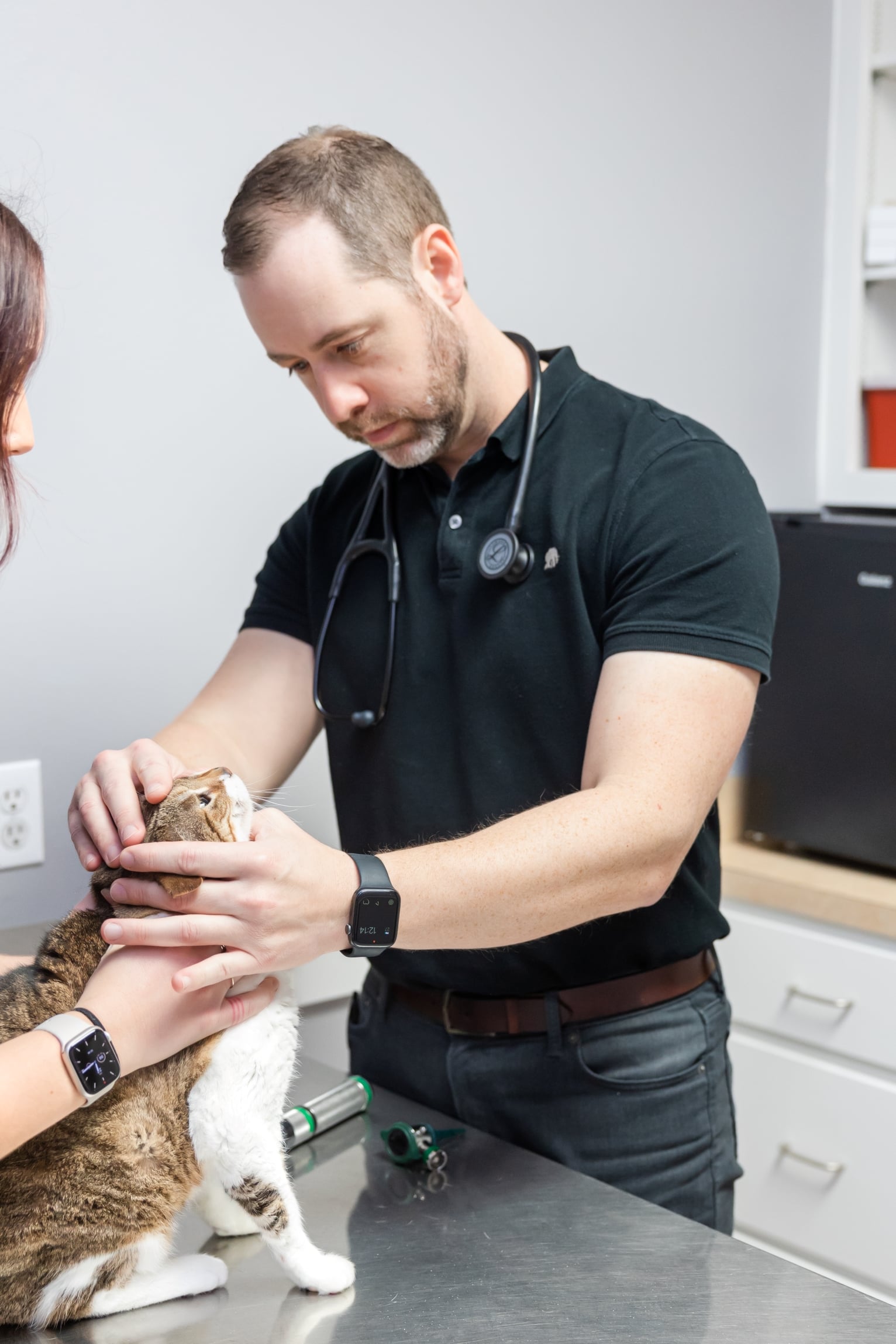
In the end, the value of regular vet visits is both straightforward and profound. It is a practical hedge against preventable disease, an anchor for early detection, and a source of steady guidance for families navigating the complexities of pet life. For owners in Prairieville and beyond, the routine becomes a reliable partner—an institution that knows your pet’s name, recognizes your routines, and supports your desire for a long, comfortable, and engaged life for the animal you love. Prairieville Animal Hospital exists in part to make that partnership possible, to translate science into daily practice, and to remind every client that health, when nurtured through regular visits, compounds into tangible everyday ease.