Prairieville Animal Hospital Pet Wellness Exams: Family Involvement
@franciscoznke004
The pet wellness exam at Prairieville Animal Hospital isn’t a ritual performed in isolation. It’s a collaborative touchpoint where you, your veterinarian, and sometimes your family members come together with a shared goal: keeping a beloved animal healthy, vibrant, and engaged in daily life. Over years of seeing hundreds of families walk through our doors, I have learned that the most meaningful wellness outcomes happen when care feels like a partnership, not a checklist.
In practice, wellness exams begin the moment you make the appointment. The front desk is a doorway to trust as much as a schedule, and the veterinary team on the other end is trained to listen as closely as they observe. The first conversations are about the animal’s routine—what a typical day looks like, how meals are divided, whether the household has age-related changes in routine, and how your family responds to the pet’s cues. This background matters because it informs what a thorough exam looks like and what questions deserve a closer look during the visit.
The exam room is a staging ground for dialogue rather than a lecture hall. We encourage families to participate, not only by answering questions but by showing us how the pet behaves in familiar spaces. A dog who learns early on to lie calmly on a mat for a physical, or a cat who tolerates a quick listening ear while perched on a kitchen counter, each tell us something about the animal’s temperament and stress thresholds. The human voices present—parents, siblings, guardians who share responsibility for care—offer perspective that pure data can miss. In this sense, wellness is as much about behavior and environment as it is about anatomy and blood work.
What follows is a practical look at how family involvement unfolds across three core pillars of the wellness exam: the health snapshot, the life-stage conversation, and the plan that follows. Each pillar benefits from a family’s thoughtful participation, ongoing communication, and a shared commitment to consistency.
Health snapshot: a clear picture you can trust
The first priority in any wellness visit is accuracy. Accurate information about weight, appetite, activity level, and elimination patterns creates a baseline that guides every future decision. The scale becomes a reliable storyteller when a family contributes context. A one to two pound shift in a toy-sized dog might seem trivial, but when your family reports the change alongside a shift in energy level, that detail becomes actionable.
During the physical examination, the veterinarian checks every system with a practiced eye while inviting family commentary. Is there a subtle limp that the dog’s daily stroll hides from you because you’re not watching with a clinical eye? Does the cat exhibit less grooming than usual, suggesting possible dental pain or early arthritis? These are the clues that, when shared, turn a routine check into a meaningful assessment of how the animal is actually living day to day.
Vaccinations sit within this health snapshot, and the timing of them is often informed by the pet’s exposure risk, age, and prior health history. Families with children, or households with other vulnerable individuals, may have heightened concerns about vaccine schedules. Prairieville Animal Hospital aims to tailor vaccines to the animal and to the family’s lifestyle, without compromising on protection. The discussion around vaccines is never a one-size-fits-all moment. It’s a space to talk through risks, benefits, and the practicalities of maintaining protection in a busy household.
In addition to vaccines, the wellness exam routinely surfaces preventive measures that align with your family’s routines. Dental care is a good example. If brushing teeth has been inconsistent, the veterinarian might propose a transition plan that integrates dental treats or a rinse, alongside a gradual brushing schedule. The key is to set expectations that families can actually meet, because consistency compounds.
Life stage conversations: growth, aging, and evolving needs
Pets live in a spectrum of life stages, and wellness plans should reflect that continuum. A growing puppy or kitten has different needs than a middle-aged companion or a senior resident. The family’s involvement becomes a compass for appropriate testing, preventive strategies, and workload management.
With puppies and kittens, the exam is as much about education as it is about health checks. Early socialization, behavior guidance, and a practical vaccination plan mingle with parasite control and dental care. The family’s home environment—whether the animal shares space with other pets, children, or high-traffic spaces—shapes how we approach a gradually progressive plan. Small bites of instruction, delivered in a way that matches the animal’s temperament, help families build competence and confidence. The result is a pet that learns to accept routine care as a familiar rhythm rather than a disruptive event.
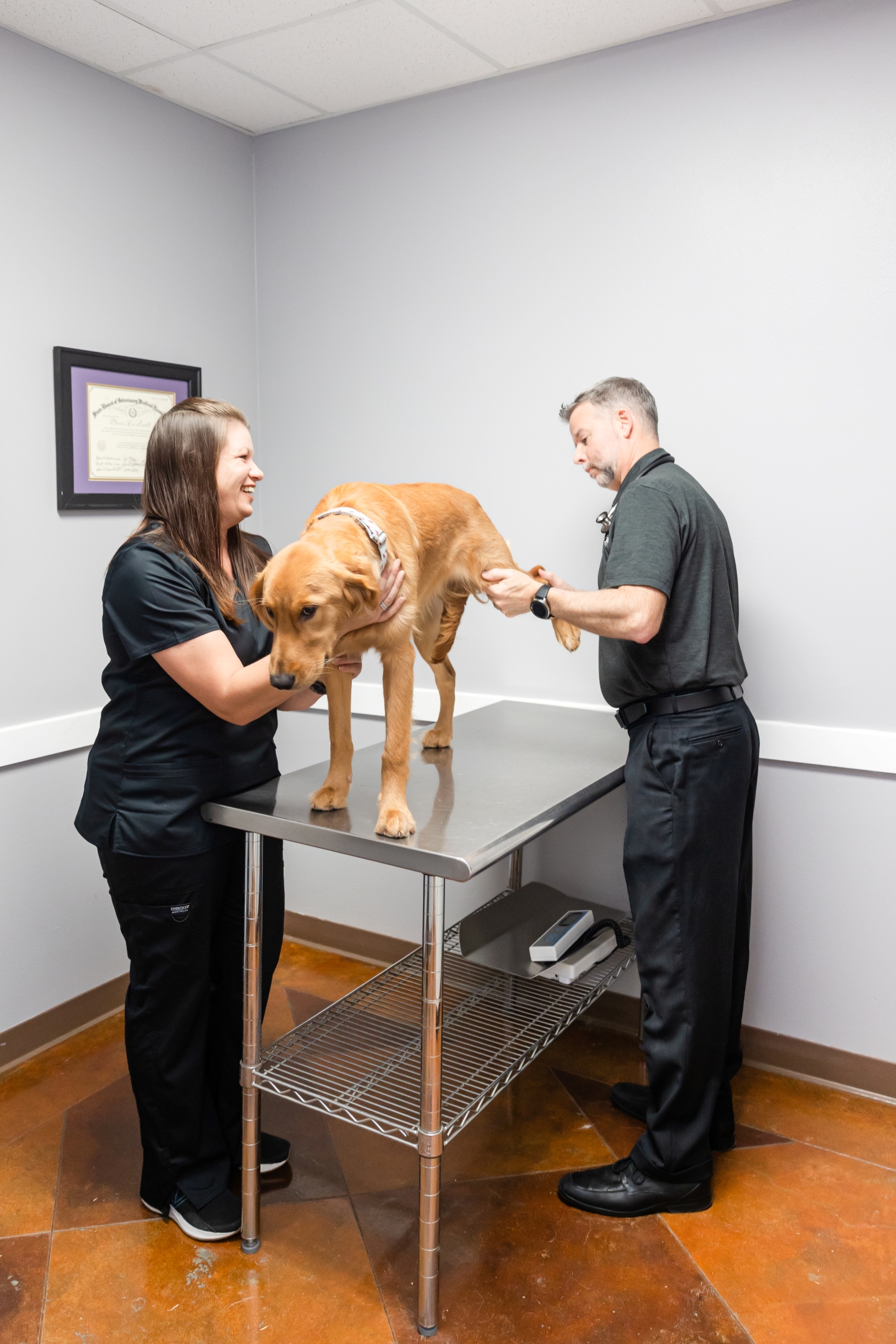
As animals age, different concerns rise to the surface. Arthritis symptoms can be subtle, appearing as reluctance to climb stairs or a preference for softer flooring. Kidney function may begin to drift during middle age, making regular monitoring more important. The family helps us notice these shifts, because you know when your pet has begun to snooze earlier in the afternoon or when the mealtime ritual changes in pace. The veterinarian may recommend specific screening intervals, adjusting blood work panels to catch issues early and to map the trajectory of any chronic conditions.
A crucial element in life stage planning is diet. Nutritional needs evolve with age, activity, and health status. Families often have questions about how to interpret food labels, how to measure portions accurately, and how to manage treats without derailing a carefully balanced plan. We respond with practical, not prescriptive, guidance. We offer options that align with your daily routine and budget, and we emphasize that small, steady adjustments tend to outpace dramatic overhauls.
The family’s role extends to behavior and environmental enrichment. For some pets, anxiety or stress during a visit or routine care can undermine a wellness plan. By sharing how your pet copes at home—whether through a favorite toy, a particular hiding spot, or a predictable feeding and exercise routine—we enable us to construct a plan that minimizes distress while maximizing health. In many cases, a small environmental tweak, such as a quiet space during examinations or a familiar blanket in the waiting area, reduces stress and improves overall compliance with preventive care.
Plans that fit real life: practicality over theory
A wellness plan that works in theory falls apart in the chaos of daily life if it isn’t grounded in practicality. The family’s schedule, the household’s rhythms, and the budget all shape what is possible. We aim to partner with the family to produce a living document that adjusts as life changes. It might involve tiered vaccination options, staged dental cleaning, or a stepped approach to weight management that begins with a measurable goal—half a pound per month, for example—and a clear path to follow.
In our experience, one of the most effective strategies is to frame the plan as a set of choices rather than one fixed prescription. Families can test a plan for a quarter, reevaluate, and then decide how to proceed. This collaborative approach respects the animal’s needs and the family’s constraints, creating a sustainable path rather than a punitive routine.
The plan also tends to splinter into two tracks: what you do dog kennels near me at home and what we do in the clinic. Home care includes monitoring, scheduling, and small routine tasks that add up to big benefits over time. The clinic track covers preventive screenings, vaccine follow-ups, and surgical consults if the animal’s needs require more intensive attention. In both tracks, the family remains at the center of decision-making. Our role is to illuminate options, share evidence, and help translate medical language into everyday actions.
Widening the circle: family involvement across the care ecosystem
Wellness care does not stop at the exam room door. The most successful outcomes emerge when families extend their involvement beyond the year-end annual check. That engagement can be practical, like maintaining a simple symptom diary, or collaborative, such as coordinating with a local pet sitter or a dog walker to ensure consistent exercise and monitoring.
Our team is often asked how to keep the family engaged between visits. A straightforward approach is to set expectations for what to observe and report during the interim. If a pet shows subtle changes in appetite, energy level, or bathroom habits, the family should note it and bring it to the next appointment. Those notes can be the difference between catching a progression early and letting a preventable issue drift into a more complex problem.
The clinic also supports family involvement through accessible channels. Pre-visit planning tools help owners prepare questions and discuss them with confidence. A post-visit packet provides a concise summary of findings, a clear preventive plan, and a realistic timeline for follow-up testing or rechecks. These resources are designed to empower families, making the post-exam phase just as clear as the visit itself.
Real-world examples from Prairieville
Over the years, I have watched wellness exams evolve into more than a routine. One case involved a senior dog whose family reported episodic limping and decreased enthusiasm for morning walks. The exam revealed early signs of joint stiffness that weren’t obvious during daily routines at home. By coordinating a veterinary plan with a gradual exercise program, a joint supporting supplement trial, and modifications to the home environment, we helped restore a sense of comfort without invasive interventions. The dog returned to the family fully engaged in weekend hikes and daily park visits, illustrating how a thoughtful wellness plan can change quality of life.
Another memorable experience centered on a cat whose guardians noticed a subtle shift in litter box behavior. The family’s documentation of symptoms allowed us to detect a mild urinary tract issue before it progressed. A targeted treatment plan, paired with environmental adjustments such as increased water intake and more frequent play sessions, restored normal routines in a matter of weeks. In both cases, the families were not passive recipients of medical care; they were co-authors of the health story, shaping how we approached prevention and treatment.
Facilities, processes, and the human touch
The clinic environment matters as much as the medical plan. The waiting room is designed to reduce stress for both pets and people. Quiet corners, familiar smells, and the option to bring a favorite blanket or toy can help a shy dog or a nervous cat settle in more comfortably. We recognize that the way a family experiences the visit has a direct impact on the animal’s well-being. Respectful communication, clear explanations, and a willingness to repeat information when needed all contribute to a smoother, more collaborative encounter.
Team members bring varied strengths to the wellness process. Some clients appreciate a nurse’s practical tips for home care, while others value a veterinarian’s ability to translate lab results into actionable steps. The beauty of family involvement is that it invites multiple perspectives into the same conversation. A household may include teenagers who help manage vaccination schedules or a grandparent who cares for daily routines. Each stakeholder contributes to a more robust picture of the animal’s health and the plan that follows.
The tangible outcomes of engaged wellness care are not abstract. Routine blood work, parasite screening, dental assessments, and weight management all contribute to longer, more comfortable lives for pets. When families participate actively, the data you collect between visits becomes a powerful predictor of how well an animal will age. It’s a practical, not theoretical, advantage.
A note on differences in care style
No two families are the same, and no two animals respond identically to preventive strategies. What works for an active Labrador may not translate to a reserved Siamese, even if their ages align. Our approach is to tune the plan to fit the animal and the household. If a family prefers less frequent vet visits, we can structure visits around a two-year window for certain preventive measures, paired with at-home monitoring that keeps us in the loop. If another family wants quarterly check-ins, we can adapt without diminishing the quality of care. The flexibility is not a loophole; it’s a recognition that real life does not fit neatly into a calendar page.
The professional frame: ethics, transparency, and accountability
Wellness care rests on a foundation of ethical practice and clear communication. We adhere to evidence-based guidelines while remaining transparent about what is unknown or uncertain. If a test yields a borderline result, we explain the implications, clarify the probability, and discuss the best path forward with the family. There is no shame in asking questions or requesting a second opinion. The ultimate aim is a shared understanding that empowers the family to make informed decisions for their pet.
Partnerships and continuity of care
Continuity matters. When a family visits Prairieville Animal Hospital for wellness exams, they are not merely meeting a clinician for a moment in time. They are joining a network that includes technicians, reception staff, specialists, and, occasionally, local trainers or behavior consultants. We do not pretend that every answer is readily available on the first visit, but we do promise that someone from the team will be present for the next step. Families should feel they have reliable contact points and that their questions will be answered with patience and respect.
The long arc of wellness is built on small commitments that accumulate. Regular weigh-ins, consistent parasite control, routine dental care, and timely vaccinations create a portfolio of health that outlasts the quick fixes and sudden emergencies. The family’s ongoing engagement turns preventive care from a one-off service into a living practice that aligns with daily life.
Practical guidance for families engaged in wellness care

- Keep a daily health log. Note appetite shifts, energy levels, water intake, and stool or urine changes. Bring this log to every appointment so the veterinarian can detect patterns.
- Prepare questions in advance. A short list helps ensure you leave with clear next steps and a practical plan you can implement at home.
- Prioritize consistency. If you cannot achieve perfect adherence, aim for steady progress. A few days of focused routine are better than sporadic attempts.
- Leverage at-home tools. Use comfortable handling techniques, a familiar space for exams, and gradual desensitization to routine procedures to reduce fear and stress during clinic visits.
- Communicate changes promptly. If a medication needs adjusting, or if you notice a new symptom, notify the clinic quickly so we can respond with timely care.
The path forward
Wellness exams at Prairieville Animal Hospital are designed to be more than a procedural checkbox. They are opportunities to connect as a care team, with the pet squarely in the center of a shared mission. Families bring the context of home life, the rhythms of daily routines, and firsthand observations that enrich medical insight. The veterinary team contributes medical expertise, a careful watch for subtle signals, and a plan that translates into real-world benefits.
This approach has a practical down-to-earth feel that is hard to replicate in a purely clinical setting. The goal is not to impress with jargon but to empower families with clarity. When you leave with a concrete plan, a clear understanding of next steps, and confidence that your questions have been heard, you know you are part of a partnership that values your pet as a member of the family.
For many households, a wellness exam is the moment when preventive care becomes an ongoing conversation rather than a set of isolated visits. The long view is a healthier, happier companion who remains engaged with the family through years of shared experiences. In that sense, wellness is not simply a medical routine; it is a commitment to living well together.
If you are considering your first wellness exam with Prairieville Animal Hospital, think about the conversations you have with your family about health, routine, and daily care. Bring those conversations to the appointment, and let the veterinary team help you translate them into concrete steps. The aim is not to overwhelm but to empower, to turn information into action, and to keep the animals in our care thriving alongside the people who love them most.