Pet Dental Care Essentials at Prairieville Animal Hospital
@franciscoznke004
Dental health does not exist in a vacuum. It colors a pet’s overall well being, from energy levels to appetite, and even mood. At Prairieville Animal Hospital, we have learned through years of routine exams, surgeries, and follow up care that dental health is a daily conversation, not a once-a-year check. The clinic has earned a reputation for practical, evidence-based care that respects busy pet families while prioritizing long term comfort for their animals. This article draws on real world experience from a practice where clients arrive with questions, and we respond with clear steps, honest costs, and a plan that fits both pet and owner.
The moment you notice a problem often marks the last moment to act without risk. Yet dental disease is sneaky. Plaque builds up quietly, inflaming gums and creating pockets that house bacteria. By the time you smell foul breath or see a yellowed surface on a tooth, pain and infection may already be present. In our hospital, we view dental care as preventive medicine, with routine assessments that stop problems before they become painful. That philosophy underpins every appointment, from wellness exams for younger animals to the complex extractions that sometimes accompany older pets.
From a practical perspective, dental care is not simply about cleaning teeth. A dental visit at Prairieville Animal Hospital typically blends a physical examination with dental radiographs, targeted cleaning, polishing, and, when necessary, extractions or minor oral surgery. The goal is to reduce pain, preserve function, and extend the pet’s quality of life. We customize every plan to the individual animal because a rule of thumb that applies to people does not always translate to dogs and cats. Some pets tolerate an exam with little fuss; others require sedation to achieve a thorough cleaning and radiographs. The humane approach is to be honest about what is feasible within a given visit, and to prepare the owner for what comes next.
In our day to day practice, pet dental care is a coordinated effort. Veterinary technicians, clinicians, and client service representatives all contribute to a smooth experience. We begin with a patient history that includes a review of drinking and eating habits, recent weight changes, and any signs of oral discomfort. Owners often report that their dog or cat stops shredding their chew toys, or that a cat stops brushing its teeth the moment the brush touches the gumline. These are meaningful signals. We listen for them because the story a client brings is a map to the likely dental terrain we will inspect.
A key objective is to demystify dental work. We want pet owners to feel informed enough to participate in the plan, understanding both the benefits and the potential risks. The relationship between client, veterinarian, and patient is built on trust. When we discuss options such as a routine dental cleaning under anesthesia, we talk through the steps, the anesthesia plan, the usual recovery timeline, and what owners can expect in the days following the procedure. The more transparent the process, the more confident owners become about prioritizing oral health, even when the cost is a consideration.
The practice of dentistry at Prairieville has evolved with a growing understanding of how oral health relates to systemic health. Bacterial colonies from a diseased mouth can enter the bloodstream and affect the heart, kidneys, and liver over time. The association is nuanced and varies by patient, but the signal is consistent enough to justify routine dental checks as part of comprehensive wellness. We tend to emphasize that prevention reduces risk. Regular dental care can lower the likelihood of painful extractions and complicated infections later on, which translates into fewer emergency visits and lower cumulative costs.
A practical way to frame this topic is to view dental health as a continuum. Young pets benefit from early education—getting used to gentle handling, familiarizing themselves with the vet near prairieville la dental tools the team uses, and receiving dietary guidance that supports gum health. Senior pets demand a different set of services, with more frequent examinations, radiographs to assess bone loss, and a readiness to intervene when oral disease is detected. Our approach is to meet each patient where they are while guiding owners toward sustainable routines that fit their daily lives.
What a typical dental visit looks like at Prairieville Animal Hospital
A routine dental visit begins with a conversation. The client’s account of how the animal lives at home matters. Do you have a routine for brushing? Are there chew toys that may be inadvertently pushing plaque into hard-to-clean crevices? The veterinary team then performs a careful mouth assessment, noting plaque level, gingival inflammation, and the presence of loose or fractured teeth. Radiographs are a critical component because a visible crown horse may hide bone loss around the roots. Without imaging, a prize tooth could be removed only to realize later that infection had already spread beyond what is visible.
If the patient is a cooperative adult with minimal anxiety, a cleaning under general anesthesia may be straightforward. The process typically includes a thorough cleaning with scaling to remove plaque and calculus, polishing to minimize future plaque accumulation, and careful probing of the gum line to check for pockets. If dental disease is detected, the team may discuss treatment options such as enamel smoothing, tooth root planing, or extraction. Any radiographs taken during the visit become part of the medical record, guiding follow up care and future preventive strategies.
Owners frequently ask about the feasibility of non-anesthetic cleanings for mild cases. In companion animals, where cooperation and safety are concerns, sedation or general anesthesia is generally considered the standard because it allows complete access to every tooth and reduces the risk of injury to the animal or the staff. The goal is not to rush. It is to ensure that every tooth is evaluated, every pocket is measured, and every root is examined for disease. The team explains the plan in plain terms and provides a written estimate that includes anesthesia, materials, and any procedures such as extractions or radiographs. The process is designed to minimize discomfort while delivering durable results.
The post procedure phase is where many owners find the most value in dental care. We schedule a quick recheck to confirm the mouth is healing well and to answer questions about soft food, pain management, and if brushing can resume safely. A small recovery period may be recommended to ensure the animal is eating normally and not showing lingering signs of sedation. We leave owners with a clear picture of what to observe at home, including the signs of potential complications that would require a call to the clinic.
Common dental issues that arrive in the exam chair
One of the real challenges for pet families is recognizing dental disease before it becomes visible. In the early stages, many animals show subtle signs—slightly reduced appetite, a preference for soft foods, or reluctance to chew on certain toys. Over time, these signals coalesce into a more obvious problem: persistent bad breath, bleeding gums, a reluctance to eat hard foods, or visible tartar buildup on the teeth. In some cases, owners may notice a change in behavior, such as irritability when the mouth is touched or a quiet preference for staying away from comfortable laps.
Gingivitis is the most common early sign. Reddened, swollen gums around the teeth suggest inflammation, often caused by plaque and tartar buildup. Without intervention, gingivitis can advance to periodontitis, where infection erodes the structures that hold teeth in place. The consequences extend beyond the mouth. Chronic dental disease can contribute to systemic inflammation and may subtly affect a pet’s energy level or willingness to engage in activity. We take a proactive stance because catching gingivitis early makes a large difference in outcomes and cost.
Tooth decay can undermine even healthy chewing habits. Cavities in dogs and cats are less common than in people, but they do occur, particularly on the chewing surfaces of molars and premolars. Cracked or fractured teeth are another reality, often arising from trauma or excessive pressure on a weakened tooth. These issues do not stay localized. An infected tooth root can become a source of pain and trigger bite avoidance or weight loss if the pet refuses meals that require chewing.
Periodontal pockets are the real red flag in many cases. When gums recede and pockets widen, bacteria have a free hand to invade the root surfaces. With time, bone loss follows. In cases like this, the team may recommend targeted cleanings, deeper scaling, and sometimes extractions to stop the disease from advancing further. The hard truth is that certain teeth, once compromised, cannot be saved. The practical alternative is a planned extraction that spares the animal further pain and prevents ongoing infection.
Spay and neuter ties into dental health in unexpected ways. Spay or neuter procedures can alter appetite, activity level, and even how a pet carries themselves during a dental exam. In practice, we frequently use these opportunities to emphasize dental checks as part of a broader wellness plan. If a patient is coming in for spay or neuter, we assess the mouth in tandem with the surgical workup. If disease is discovered, we address it either on the same day or in a carefully scheduled follow up. This integrated approach minimizes the number of visits and keeps the animal comfortable through a period of routine care and healing.
The preventive framework we advocate at Prairieville Animal Hospital
The most effective dental care strategy is consistent, practical, and tailored to the household. Prevention starts at home with a daily routine that reduces plaque formation. For many families, a brushing schedule, paired with age appropriate dental diets or chews, makes a measurable difference. We recognize that some pets resist brushing, and we offer alternatives such as dental coatings, specially designed chews, and water additives that can simplify daily routines while still delivering meaningful benefits. The goal is to create a sustainable habit that fits with the animal’s temperament and the owner’s lifestyle.
We also stress the importance of regular dental checkups. A visit every six to twelve months is typical for many pets, though high risk patients may require more frequent evaluations. During wellness exams at Prairieville Animal Hospital, the mouth is often part of the standard head-to-tail assessment. The clinician notes changes in gum color, tooth wear, and any malocclusion that could indicate underlying problems. Early detection translates into less invasive treatment and better long-term outcomes.
Dietary considerations form a practical pillar of prevention. Wet versus dry food? Neither choice is inherently superior in all cases, but the texture can influence plaque accumulation. Some owners report improved dental health when incorporating a kibble designed to reduce plaque or when mixing in a dental diet that requires more chewing. We provide guidance that blends evidence and real life. Food alone will not maintain a healthy mouth, but it can support the cleaning routines families already employ. We also talk through treats and chew toys, emphasizing options that minimize hard particles and avoid overly aggressive chewing that could fracture teeth.
The role of dental radiographs cannot be understated. Radiographs reveal the story beneath the gumline, where much of the pathology hides. Without them, a clinician may miss root abscesses, bone loss, or nerve involvement. The investment in radiographs during a dental visit has a downstream effect: more accurate diagnoses, more targeted treatments, and fewer surprises during healing. Our team uses radiographs routinely when the patient is under anesthesia. The image set becomes a reference point for future visits, enabling a more precise plan for maintenance and monitoring.
Two essential aspects of preventive care stand out in day to day practice. First, client education. Our team takes time to explain what the client is seeing and what it means for the pet’s health. We discuss the progression from gingivitis to periodontitis using concrete language and real world examples rather than abstract terms. Second, readiness for maintenance. Owners often underestimate how much work dental health requires at home. We address this head on, outlining the time it will take, the products that have proven effective in clinical practice, and the signs that would prompt a return visit to Prairieville Animal Hospital.
At home care essentials that make a difference
The home dental routine is not glamorous, but it is where routine maintenance happens. The most effective approach blends small, consistent actions with practical flexibility. A brushing routine is the cornerstone. If you can set aside a window each day, even five minutes, you can make meaningful progress. The brush may be a soft toddler brush or a specialized dog or cat brush. A pea sized amount of toothpaste made for pets is all you need. Do not use human toothpaste, which can be harmful if swallowed. Start slowly with a few seconds of brushing and gradually increase as your pet tolerates. The reward system matters. A positive, calm approach—praise, gentle handling, and a favorite treat after brushing—helps turn the routine into a routine your pet expects and enjoys.
We also explore alternative tools for families who struggle with brushing. Dental wipes and finger brushes can be a gateway to better oral health when a full brushing routine seems daunting. A dental spray or a rinse might be used as a supplement, especially for pets that are particularly sensitive or anxious. For cats, many owners find that a gentle approach, paired with a reward and a calm environment, makes a noticeable difference. The key is consistency. A routine that happens most days is far more effective than a sporadic, intense weekly session.
The next layer in home care is dietary and chew choices. Durable, veterinarian recommended chews can help reduce plaque between visits, but it is important to choose products that suit your pet’s size, age, and dental health status. We guide owners toward options that have a proven track record with our patients and that fit within the animal’s energy needs and feeding schedule. Dental diets, often designed to reduce plaque formation and encourage moisture intake, can be a valuable adjunct to brushing. The precise combination of brushing, dietary management, and chews will vary from patient to patient, but the overarching principle remains constant: daily, manageable care beats sporadic, high effort cleanings.
We encourage families to track changes in their pet’s mouth with simple, practical notes. A small notebook can record when brushing happens, how the animal responds, and any changes in appetite or breath. This log becomes a quick reference during wellness exams, helping the clinician gauge whether home care is effective or if a professional intervention is warranted. When owners understand the impact of their daily routine, the incentive to sustain it grows.
Modest but meaningful exceptions that shape the dental landscape
There are edge cases that deserve attention. For some pets, a high level of anxiety or a negative past experience with veterinary visits makes dental care more challenging. In such cases, we work together to create a low stress plan. This might include a longer acclimation period, gradual desensitization to the environment, and the careful use of sedation or anesthesia to complete the necessary dental work safely. There is no shame in acknowledging that a pet cannot endure a procedure in a single session. We view these situations as opportunities to tailor care rather than as barriers to good health.
Costs represent a real world constraint that clients frequently weigh against the benefits of dental care. A comprehensive dental cleaning with radiographs includes multiple components—anesthesia, instrumentation, professional expertise, and post operative instructions. While costs can vary by a number of factors, including the pet’s size, sedation needs, and whether extractions are required, we provide detailed estimates before proceeding. The honest, practical outcome is transparency. When families understand the full scope of what is included, they can decide how best to allocate resources for disease prevention and treatment.
The practical impact of dental care on overall wellness is measurable. In some patients, regular dental maintenance reduces the frequency of visits for oral pain and infections. For others, it preserves the animal’s enjoyment of appetite and activity, allowing them to engage in daily life with less discomfort. The most powerful argument for dental care at Prairieville Animal Hospital is not the promise of glossy radiographs or pristine enamel, but the improved daily experience of a pet who can chew, play, and smile with confidence. The clinic’s philosophy is pragmatic: give pets the chance to be comfortable, balanced, and engaged with their people.
Two concise takeaways that breeders, owners, and long term caregivers can apply
- Prevention starts at home. Build a daily habit that fits your routine, then layer in professional maintenance at a cadence guided by your pet’s risk profile and age.
- Be proactive about signs. If you notice breath that is persistently foul, gum coloration that shifts from pink to red, or a reluctance to chew on favorite items, schedule a wellness dental exam promptly. Early intervention matters.
The Prairieville difference in dental care for pets
Prairieville Animal Hospital exists to translate medical know how into everyday practice for families. Our clinicians are not just technicians performing a cleaning; they are partners in a long term plan meant to reduce pain and extend the animal’s active life. This means offering clear explanations about what is happening during a dental procedure, why it is necessary, and what the recovery looks like. We emphasize the practical realities of dental care—the time required, the home care demands, and the financial considerations—so that owners can make choices that align with their values and the pet’s comfort.
The care team also uses dental assessments to anticipate future needs. By tracking the rate of gum recession, tooth wear, and the progression of plaque accumulation, we can forecast when a follow up is likely needed. This proactive stance helps families budget for care that may lie a few months or a year ahead. It also reduces the chance that a dental issue becomes large scale and painful or radiographically significant.
In terms of community and experience, the Prairieville clinic has built a culture around careful listening and honest communication. We want clients to leave the appointment with a practical plan, not with vague promises or inflated expectations. The staff takes pride in offering options tailored to each pet and negotiating a path that respects both the animal’s well being and the owner’s practical constraints. That approach translates into higher adherence to home care, which in turn contributes to fewer emergency visits and longer comfortable years for pets.
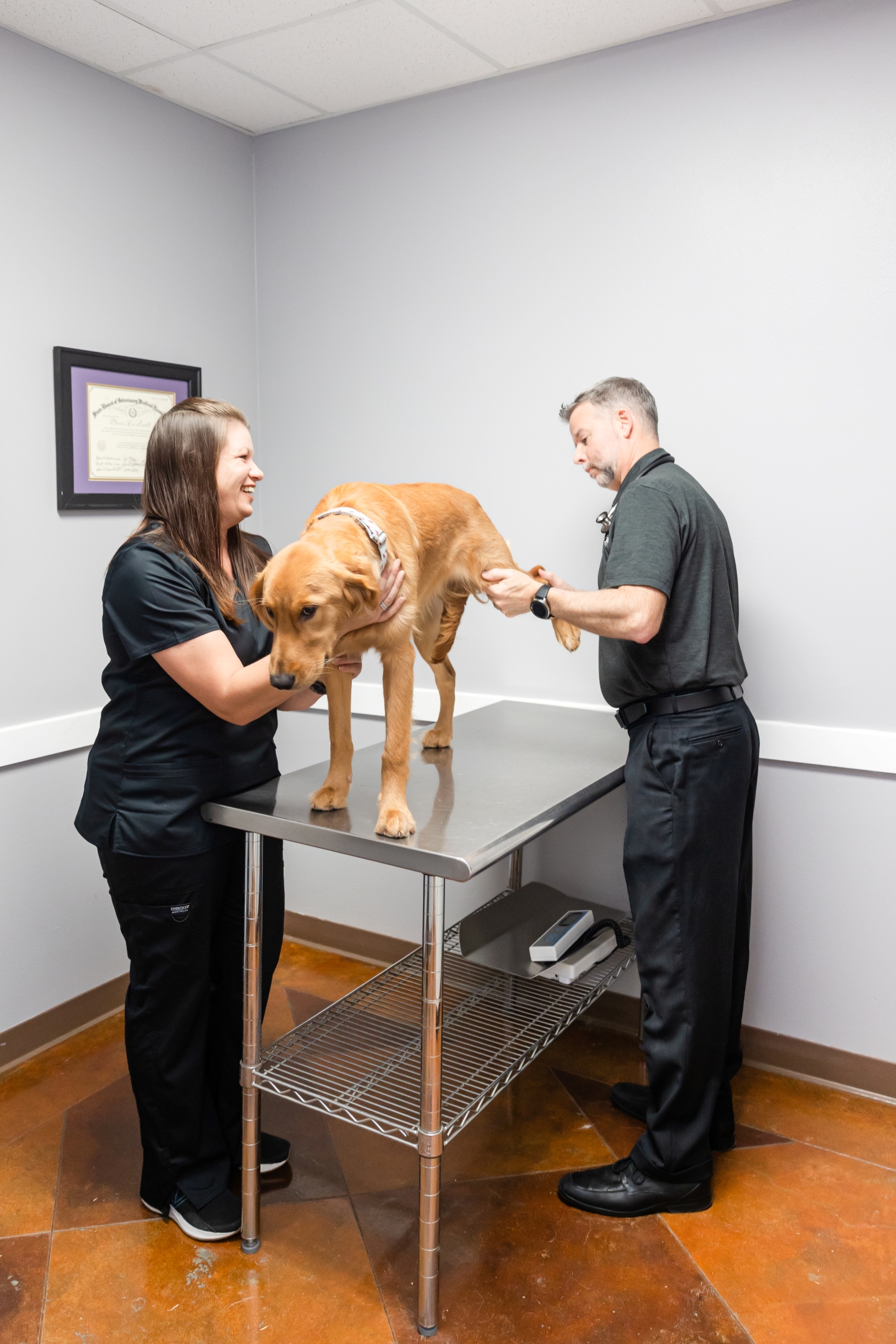
A note on spay and neuter and dental health in practice
Spay and neuter services at Prairieville Animal Hospital are integrated into a broader wellness framework. If a patient comes in for these surgeries, we perform a careful oral examination as part of the anesthesia planning process. If dental disease is present, we discuss the best sequence of intervention, whether it should occur during the same visit or on a separate occasion after the surgical recovery. This collaborative approach helps minimize the number of times a family must arrange for transport and anesthesia, while ensuring the pet is not compromised by an extended or compromised healing period.
We recognize that some families view spay and neuter as the primary event and not the opportunity to address dental concerns. Our stance is pragmatic: whenever possible, we fix dental disease in conjunction with other procedures so that the animal experiences less cumulative stress. In other scenarios, we schedule a well defined plan that prioritizes the pet’s health and the owner’s budget. The overarching aim is to prevent oral pain and preserve function without imposing undue burden on the client.

A long view on dental health and wellness exams
Frequently, wellness exams evolve into conversations about dental care. The veterinary clinic that can translate a mouth exam into concrete steps for home care tends to achieve better long term outcomes. At Prairieville, this is not an abstract ideal. It is a practical reality that we see in every appointment, whether the patient is a nine year old terrier or a seven year old domestic shorthair cat. For both species, dental health is a predictable predictor of quality of life years down the road. The effort invested now pays off in fewer painful episodes, steadier appetite, and the ability to participate in daily activities with enthusiasm.
Closing reflections on a life lived with pets and their smiles
Talking about dental care invites a broader reflection on how families and veterinarians walk together through the lifecycle of a pet. There is no magic wand, and there is no substitute for consistent attention. What works in a busy household is a plan that you can actually follow—one that fits your routine and respects the animal’s temperament. The Prairieville team is there to help design and adjust that plan as the pet ages, as diets change, and as new products enter the market. We are continually learning from our patients just as families learn from the team. The shared objective remains straightforward: a life with less pain, more appetite, and a daily smile that makes even ordinary moments feel special.
If you are preparing for a visit, consider keeping a short log of behaviors related to the mouth. Note changes in breath, any hesitancy with chew toys, or discomfort when touching the jaw. Bring these observations to the appointment and ask questions about the feasibility of home care adjustments, the role of radiographs in diagnosing hidden disease, and what to expect if extractions become necessary. The answers will be grounded in the animal’s real life, not in a theoretical diagram, and that is the value you gain when you choose Prairieville Animal Hospital for your pet’s dental care.
In the end, dental health is about enabling a thriving life. It is not a cosmetic concern but a healthissue that can shape appetite, energy, and mood. We know this because we have watched it over and over in the exam room, the radiology suite, and the recovery ward. When a pet finishes a dental cleaning with a brighter mouth and a more comfortable chew, the relief is immediate and tangible. Owners often share stories of regained vitality—playing in the yard longer, finishing meals with gusto, or simply greeting the family with a renewed sense of ease. This is the moment that justifies the effort and the investment. It is, in essence, why we do what we do at Prairieville Animal Hospital: to help pets maintain their health, their happiness, and their place in the family with fewer barriers introduced by dental disease.